
Introducing the Performance Gap System
A clinical framework for disciplined high-output adults whose labs keep coming back "normal" while their experience keeps telling them something else is true.
You've done everything right. Training. Nutrition. Recovery. You've had bloodwork run, more than once, and everything came back inside the normal range.
And something is still off. Your energy is less consistent than it was three years ago. Recovery takes longer than it used to. The mental edge is not quite there.
The question you have been sitting with, the one you do not say out loud, is whether this is just what getting older feels like.
I want to say this clearly. It's not.
What you're describing has a name. It has a mechanism. It's measurable. And it's addressable.
It is called the Performance Gap.
What the Performance Gap Is
Your body operates under something called allostatic load.
Allostasis is how the system maintains stability through stress. Every time you train, push, or ask more of your system than it's currently calibrated for, your body mounts a response. It adapts. That is the system working.
Allostatic load is what happens when that response never fully completes. When demand persistently exceeds recovery capacity, not because you are weak, but because the system is carrying more than it is releasing, load accumulates. Quietly. Incrementally.
Here's the part most people miss. The body compensates before it breaks. Structurally. Metabolically. Neurologically. Your body will find a way to keep you upright and functional long before any of this shows up on a standard lab panel. Long before it produces a diagnosis your doctor would flag.
That compensation is what you are feeling.
The slower recovery. The inconsistent energy. The edge that is not quite there. These are not signs of aging. They're signs of a system compensating under accumulated load. And compensation has a ceiling.
The Performance Gap is the space between the output you are capable of and the output your system can currently deliver.
It's not character. It's not weakness. It's data. And it can be measured.
Why Standard Care Misses It
Most practitioners operate from a single lens.
Your primary care doctor operates from a disease-detection lens. Their job is to find pathology. When they do not find it, the visit ends. That is the system they were trained in. It's not wrong. It is built for a different question.
Your functional medicine provider operates from a metabolic lens. Hormones. Gut. Inflammation. Important. Incomplete.
Your physio or chiropractor operates from a structural lens. How you move. How you load. Also important. Also incomplete.
The Performance Gap System runs both clinical lenses simultaneously. Structural resilience and metabolic function. Mapped against four governing systems. In the same assessment. In the same sequence.
The Four Governing Systems
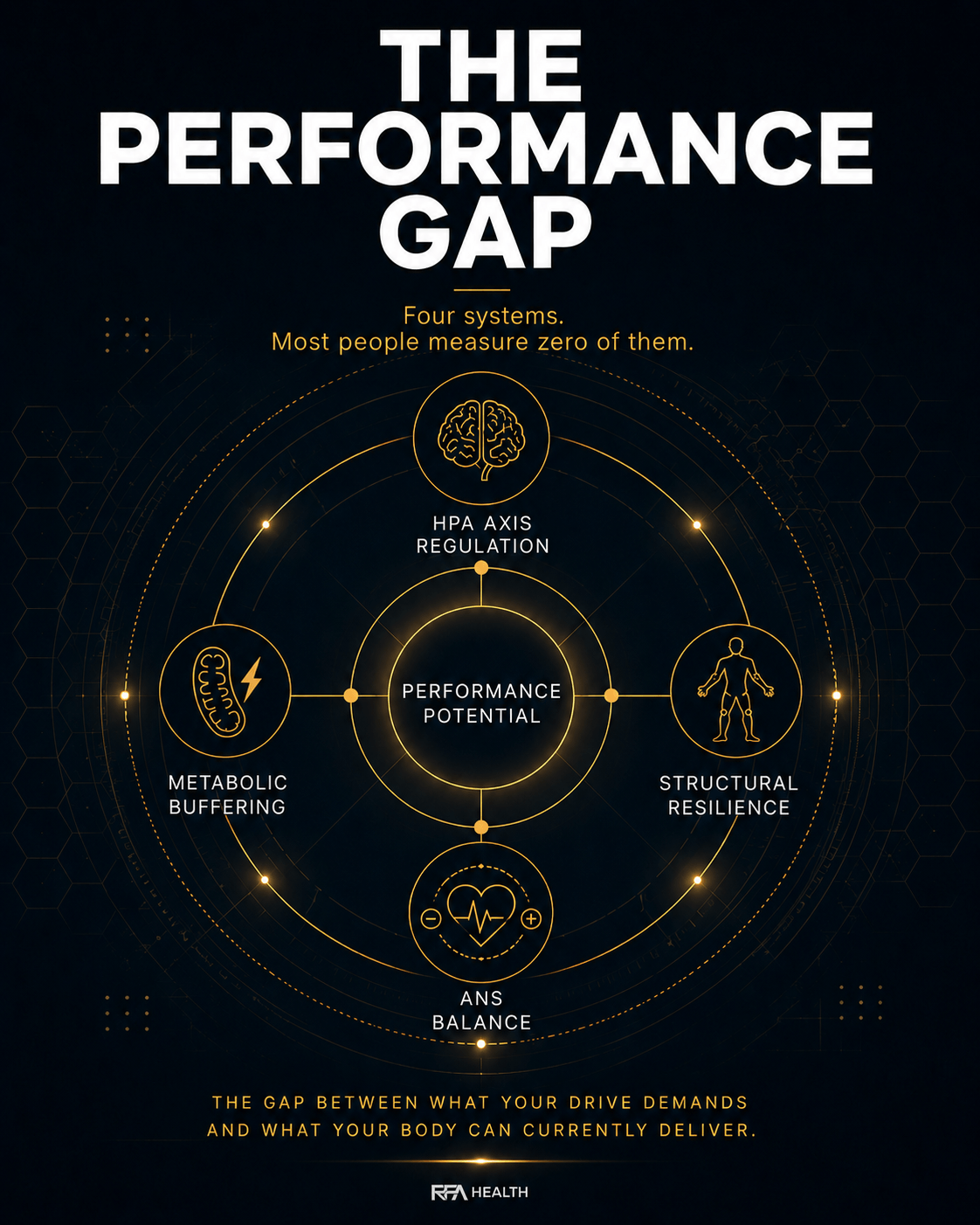
The Performance Gap is mapped across four interdependent systems:
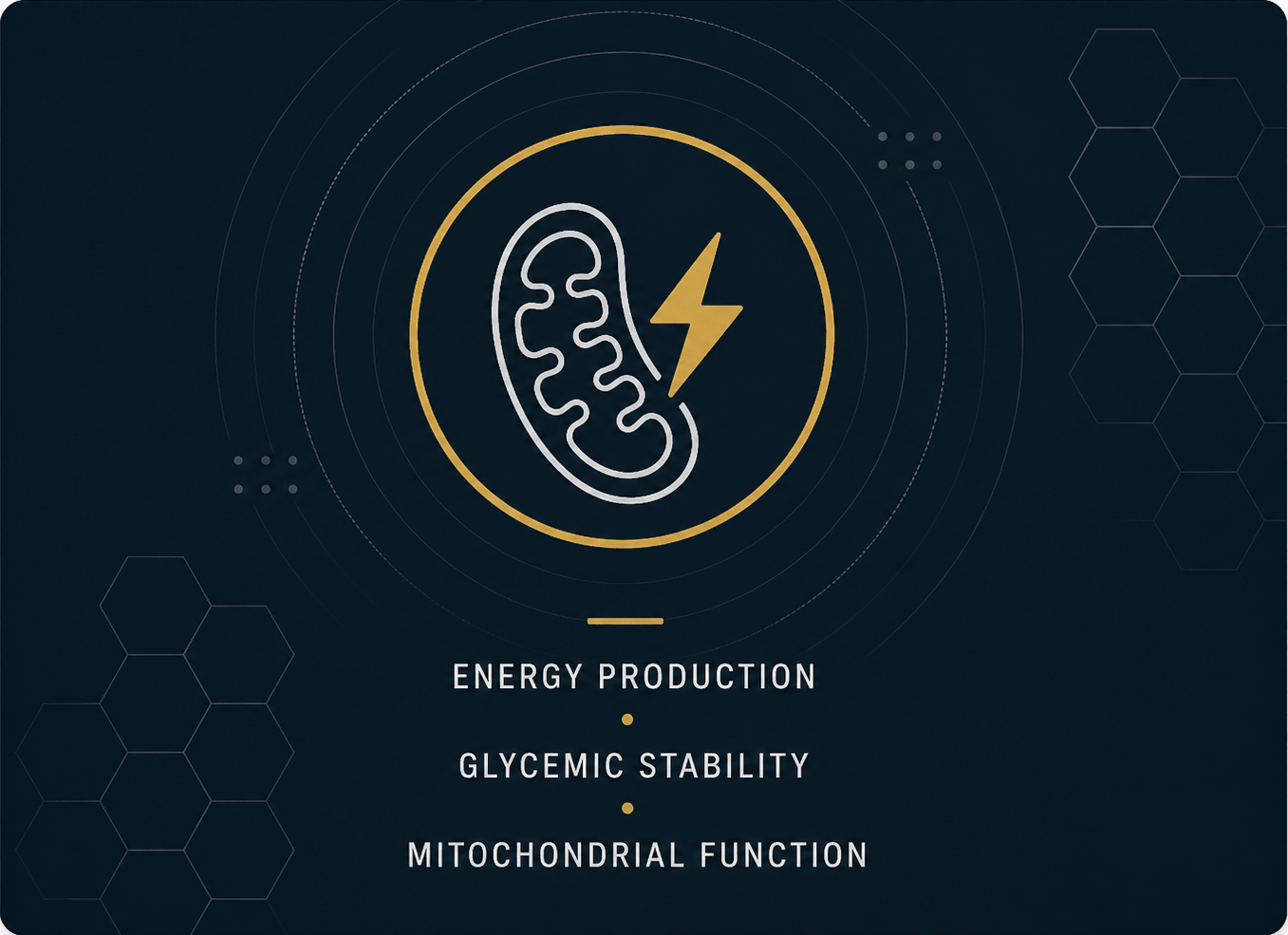
Metabolic Buffering: the system's capacity to absorb and clear inflammatory and metabolic load before it disrupts function.
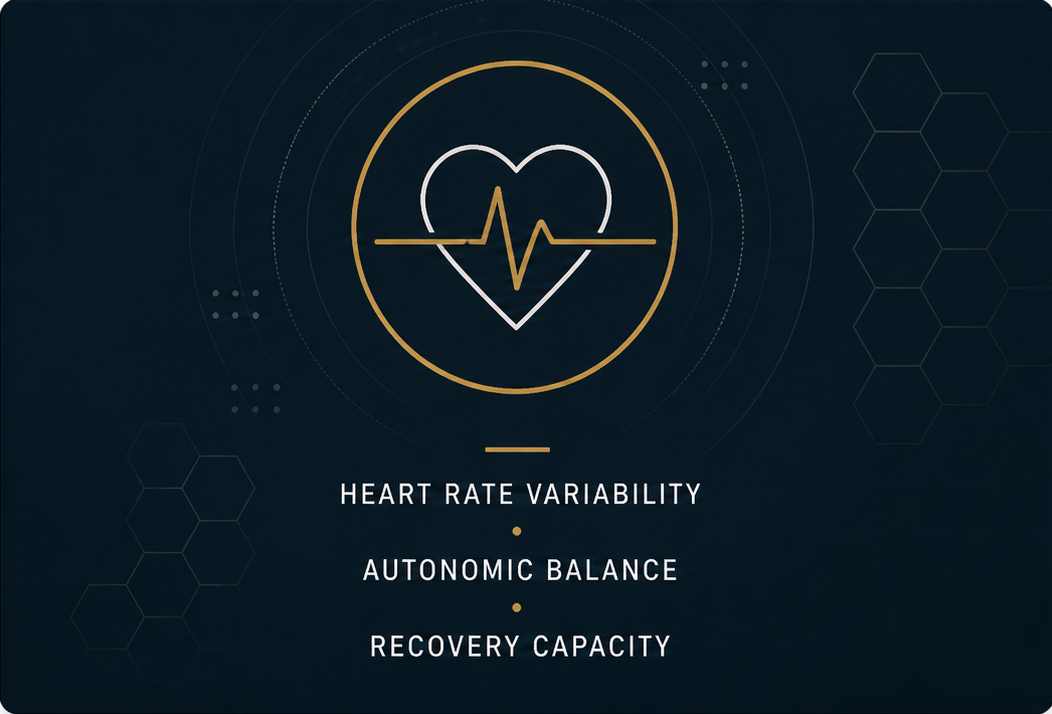
ANS Balance: autonomic nervous system regulation, the foundation of recovery and adaptation.
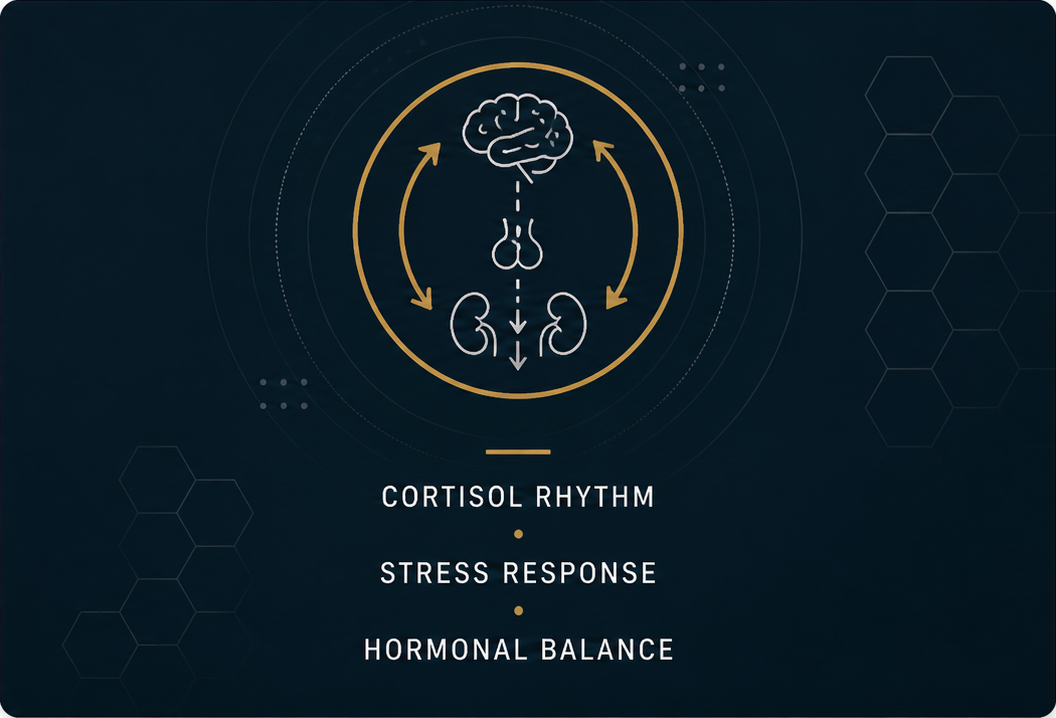
HPA Axis Regulation: the body's chronic stress response, governing cortisol patterning, downstream hormones, and resilience capacity.
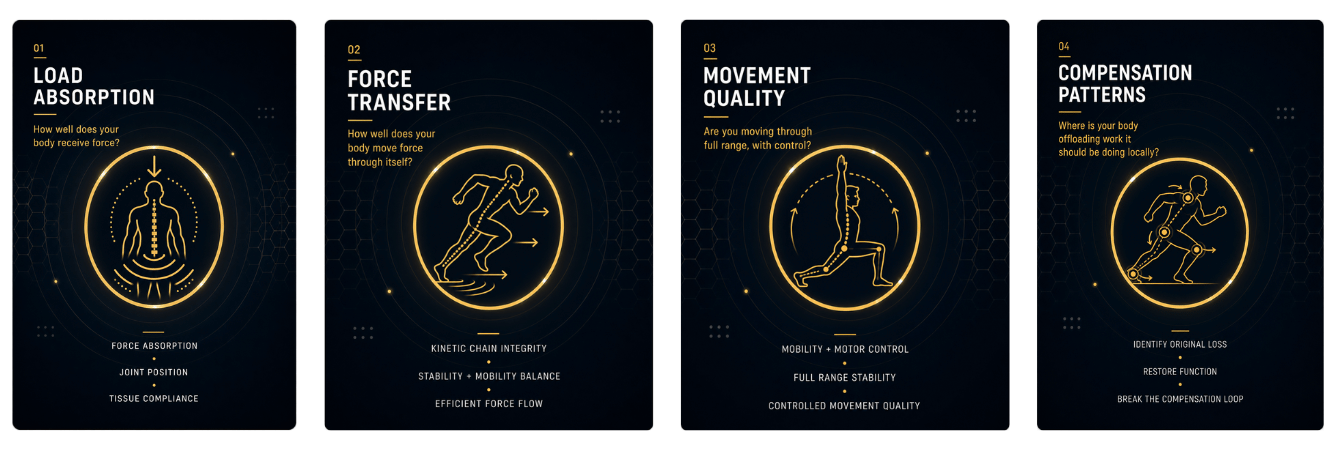
Structural Resilience: how the musculoskeletal system loads, recovers, and tolerates output over time.
These four do not operate in isolation. A metabolic deficit accelerates HPA dysregulation. HPA dysregulation blunts ANS recovery. Degraded ANS recovery accelerates structural breakdown. They compound on each other.
The reason most assessments miss the Performance Gap is not because the markers do not exist. It is because nobody is looking at them in relationship to each other.
That's the system. That is why precision matters here in a way it does not in standard care.
Who This Is For
This was built specifically for the disciplined, high-output adult. Someone in their thirties, forties, or fifties who trains consistently, eats well, takes recovery seriously, and is not satisfied with feeling slightly off as the new baseline.
It's for the comeback athlete. Someone who used to operate at a level, fell out of it through injury or life, and is trying to find their way back without guessing.
It's for the person whose bloodwork keeps coming back normal while their experience keeps telling them something else is true.
It's not for someone looking for a quick fix. It's not for someone who wants to be told they are fine. It's not for someone unwilling to look at their own data.
If you've already accepted that this is just aging, this is not for you.
If part of you still does not believe that answer, keep reading.
Three Ways Forward
Depending on where you are, there are three doors into the Performance Gap System.
Take the Performance Gap Quiz.
Five minutes. A read on which of the four pillars is most likely driving what you're feeling. Best starting point if you are curious and want to identify your pattern before committing to anything else.
Register for the live training. Saturday, May 30 at 10am Central.
Forty-five minutes plus Q&A. Free. Live. The first public walkthrough of the full Performance Gap System. The four-pillar load map, the functional markers your standard labs were never designed to detect, and the three-step sequence for closing a Performance Gap in clinical practice. This is clinical training, not a motivation session and not a supplement pitch.
The Performance Gap Diagnostic.
The direct path. A precision diagnostic, not a consultation. Comprehensive load mapping, Tier 2 functional labs, a written Performance Gap Report, a personalized restoration roadmap, and a 60-minute results review with me. Built for people who want accelerated answers and a sequenced plan, not another opinion.
Data beats discipline. Discipline without data is just guessing harder.